


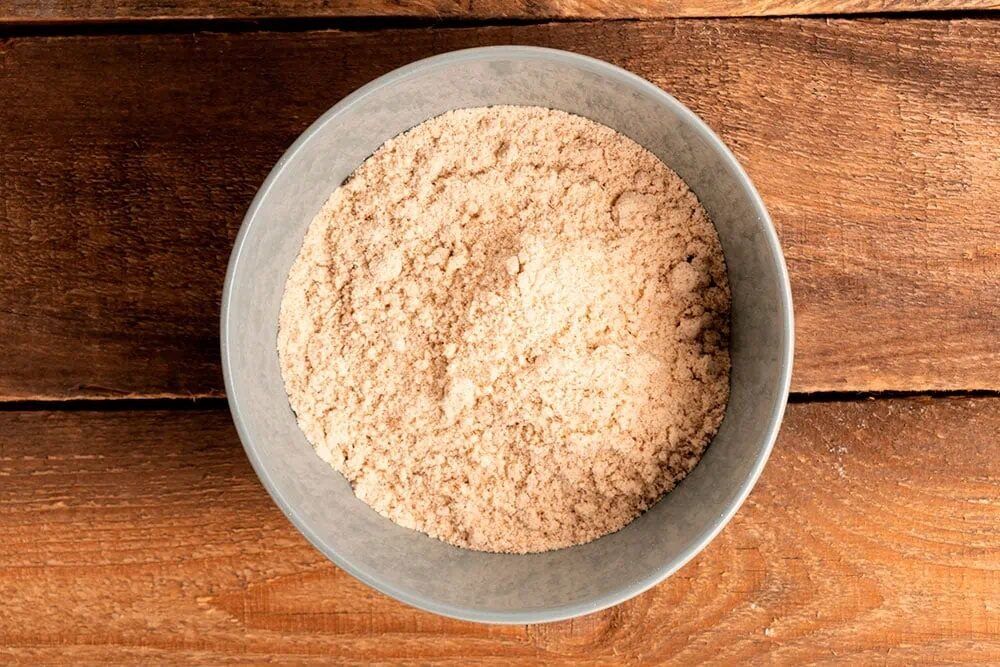

An excellent ingredient for making boilies or as a Stick mix ingredient.
What is a tigernut? It's not a nut, as the name might suggest. It is a small root vegetable that grows in North Africa and the Mediterranean region. Tigernut flour is naturally gluten-free and paleo. Additionally, for those allergic to nuts, it offers an option for adding protein to baking and cooking.
According to a 2014 Oxford University study, tiger nuts, which are rich in fiber, iron, potassium, protein, magnesium, zinc, and vitamins E and C, were a staple food for our ancient ancestors who lived in East Africa between 2.4 and 1.4 million years ago. One ounce of these crunchy root vegetables contains 40% of the recommended daily fiber intake.
Tigernuts contain natural sugar, healthy fats, and have a high level of resistant starch, which reaches the large intestine intact. Resistant starch promotes prebiotic growth and maintains a healthy immune system and digestive tract. It can also lower blood glucose levels and improve insulin sensitivity.
Because tigernut flour is light and has a slightly sweet and nutty taste, it allows bakers to reduce the amount of added sugar. It pairs well with other flours and starches, such as coconut flour, almond flour, gluten-free oat flour, and arrowroot or potato starch.
It can be used to give baked goods, such as biscuits, cookies, and pie crusts, a sweet crunchy texture. Tigernut flour can be added to cookies, pancakes, and puddings for a sweet protein boost. Its nutty flavor also works well with black bean or vegetable burgers.
Tigernut Flour
What is a tigernut? Well, it isn’t a nut, as the name might imply. It is a small root vegetable that grows in Northern Africa and the Mediterranean. Tigernut flour is naturally gluten free and Paleo. And it offers those allergic to nuts an option for adding protein when baking and cooking.
High in fiber, iron, potassium, protein, magnesium, zinc and vitamins E and C, tiger nuts were the primary food of our ancient ancestors who lived in East Africa between 2.4 million and 1.4 million years ago, according to a 2014 Oxford University study. One ounce of these crunchy root vegetables contains 40 percent of the recommended daily fiber intake.
Tigernuts contain natural sugar, healthy fats and have a high level of resistant starch, which reaches the colon intact. Resistant starch promotes prebiotic growth and supports a healthy immune and digestive track. It can also lower blood glucose levels and improves insulin sensitivity.
Because tigernut flour is light and has a slightly sweet and nutty flavor, it allows bakers to cut back on added sugar. It tends to work well in combination with other flours and starches such as coconut flour, almond flour, gluten-free oats and arrowroot or potato starch.
You can use it to add a sweet crunchy texture to baked goods such as biscotti, cookies and pie crusts. Add Tigernut flour to brownies, pancakes, and pudding for a sweet protein punch. Its nutty flavor also works well when added to black bean or veggie burgers.
TNFLOUR20 TNFLOUR1